Mostrando entradas con la etiqueta reed carol. Mostrar todas las entradas

lunes, 3 de junio de 2024

Oliver! (Carol Reed, 1968)

Surprising not only for its quality but also as a late and almost leftover example of a genre, the musical, Oliver! was one of the most successful of Reed’s films, in the middle of the greyest, even lamentable period of his career. He had never before worked in this genre, and filmed versions of musicals were not especially popular in Europe, in spite of musical stage traditions in most countries. Oliver! was, to cap it all, a musical adaptation (by Lionel Bart) of Oliver Twist, the long, famous, dense and melodramatic novel by Charles Dickens, already made into a successful film by David Lean in 1948.

The very idea of turning that book into a musical may seem rather far-fetched and contrary to the nature of Dickens’ story, and those that felt that way did not hesitate to say so openly and with some outrage at such insolence, which was believed to be inspired by strictly commercial motives. Back in 1968 the music was considered old hat --although for a film set in Dickens’ time it would hardly have been appropriate to call on the Rolling Stones-- so the film was censured for this and compared to the classic musical comedies, and although it had been more than a decade since any had been made, even in Hollywood, it was seen as somewhat dull and excessively sentimental. The latter charge smacks of ignorant prejudice, when applied to a Dickens’s tale, while the former may spring from confusion about the term “musical comedy”, when the fact is that the musical genre can encompass drama and even tragedy, as opera has shown for centuries. Just because Broadway and Hollywood have found it more profitable to make operettas and comedies need not dissuade anyone from daring to make a musical drama from time to time, as did Otto Preminger with Carmen Jones (1954), and even Joshua Logan with Camelot (1967) and Paint Your Wagon (1969). Although they had some comic or light elements, those films are chiefly dramas, as is Oliver!, despite its picaresque and festive side. At all events, European film provides relatively more examples of “serious” or “tragic” musicals (from G.W. Pabst to Jacques Demy) than Hollywood.

Although a detailed comparison of Dickens’s original book with the film leads us inevitably to the conclusion that Bart’s “free adaptation” took too many liberties, deleting entire episodes and characters, I find Oliver! to be faithful in substance to Dickens’ world, and it sharply portrays many aspects of this and other Dickens novels. Indeed, changes and “mutilations” aside, the film may well have induced audiences to read or reread the Victorian author’s magnificent stories which, I fear, are slipping into oblivion, especially outside the English-speaking world.

As with most Reed films, the way of telling the story is even more important than the script itself, and the process begins with the choice of actors, and is followed by their direction, through a combination of stimulation and restraint. In Oliver! we find Reed at his most demanding and observant, a director who makes no concessions or accepts suggestions from others. He seemed rejuvenated and brimming with energy in this film, unlike those he made in the immediately previous period. It might be said that the choice of Mark Lester for the role of Oliver was an obvious one, but Reed’s work with this child actor was exemplary. Equally well-cast was Jack Wild, not to mention Ron Moody (as a Fagin who was more “politically correct” than his predecessors, but much less “sweetened” than his successors), and the less obvious and somewhat more risky choices of Oliver Reed, and the enchanting and unknown Shani Willis, along with a huge cast of impeccably picturesque secondary characters, many of them forgotten or under-utilised by the British film industry in the late 1960s.

Onna White’s choreography diverged sharply from the traditions of the American musicals made in the 1930s, the 1950’s, and even the 1960s, and instead managed to keep an admirable historical perspective and remain well-matched to the costumes and sets, while avoiding the temptation of anachronism which would have interrupted the flow of the movie at the transitions between spoken dialogue and musical numbers. Indeed, the music and dance scenes are in such harmony with the rest of the film that they contribute to the cinematographic stylisation of Dickensian “realism”. For the first time in his career, Reed opted decisively for this stylisation, instead of hovering as he usually did between his poetic inspiration and naturalism.

Oliver! would have been an appropriate swan song for the classic period of British film, and an ideal farewell performance for Reed himself. Unfortunately, he went on to make another couple of impersonal and “international” films, that it would be kindest to ignore.

------------------------------

No sólo sorprendente por su calidad - es una de los máximos aciertos de su realizador - en medio del periodo más gris - cuando no lamentable - de la trayectoria de Reed, sino como muestra tardía y casi residual de un género, el musical, con el que jamás se le hubiera relacionado, y que nunca tuvo excesivo arraigo cinematográficamente en Europa, pese a contar con perennes tradiciones escénicas en casi todos los países del continente, Oliver! es, para colmo de rarezas, una adaptación musical (a cargo de Lionel Bart) de la famosa y muy voluminosa, densa y folletinesca novela de Charles Dickens Oliver Twist, ya llevada con notable acierto al cine por David Lean en 1948.

La idea misma de convertir tal libro en un musical puede parecer traída por los pelos y un tanto contraria a la naturaleza misma del relato de Dickens, y los que así pensaron no vacilaron en manifestarlo abiertamente y hasta con cierto grado de escándalo ante el atrevimiento, para el que no veían otra explicación que la puramente comercial; la música se consideró en su momento - no olvidemos que era 1968 - "anticuada" - aunque para la época de Dickens no hubiera sido lo más apropiado recurrir a los Rolling Stones -, y a la película se le reprochó, comparándola con las comedias musicales clásicas que ya por entonces hacía más de una década que no hacían ni los propios americanos, falta de dinamismo y exceso de sentimentalismo. Este último reproche, aplicado a una adaptación de Dickens, se me antoja producto de prejuicios ignorantes; el anterior reposa en una grave confusión: creer que toda muestra de cine musical ha de inscribirse en el terreno de la comedia, cuando el musical es evidentemente un género en sí mismo y además la música permite abordar con igual facilidad el drama e incluso la tragedia, como durante siglos ha demostrado la ópera. Que Broadway y Hollywood hayan considerado más rentable hacer operetas y comedias no impide que, de vez en cuando, alguien se haya atrevido con el drama musical, como lo hiciera Otto Preminger en Carmen Jones (1954), e incluso, por aquellos años, Joshua Logan con Camelot (1967) y Paint Your Wagon (1969), obras que, sin excluir elementos cómicos o ligeros, son predominantemente dramas, lo mismo que Oliver!, que no carece de un adecuado lado picaresco y festivo. Sin embargo, quizá esa preferencia americana, en términos estadísticos, por la comedia explique que haya más ejemplos del enfoque "serio" o "trágico" en el cine europeo (desde G.W. Pabst a Jacques Demy) que en el americano.

Aunque un análisis comparativo minucioso del libro de Dickens y la película de Reed arrastraría irrevocablemente a la conclusión de que la "libre adaptación" de Bart se toma excesivas libertades y suprime episodios y personajes con relativa desenvoltura, creo que Oliver! es sustancialmente fiel al universo de Dickens, y que restituye con agudeza múltiples aspectos de esta y otras obras suyas, por lo que, con independencia de cambios y "mutilaciones", puede invitar a la lectura o relectura de sus magníficos y hoy -me temo, sobre todo fuera del Reino Unido - un tanto olvidados relatos.

Como de costumbre en Reed, lo fundamental es, más todavía que el guión, la forma de narrarlo, para lo cual es decisiva su habilidad para encarnar los personajes, primero mediante la elección de actores y luego guiándolos, estimulándolos y reteniéndoles. En Oliver! reencontramos al Reed más exigente y perspicaz, que no hace concesiones ni da por buenas las sugerencias de los demás; parece rejuvenecido y dotado de renovada energía, y debió dedicar a la selección de intérpretes una atención y un interés que se echaban en falta en sus películas inmediatamente anteriores. Se dirá que Mark Lester como Oliver era, en aquellos días, una elección sin alternativas; es cierto, probablemente, pero el trabajo de Reed con este intérprete infantil es ejemplar; la de Jack Wild se revela otro acierto, lo mismo que las de Ron Moody (en un Fagin más "políticamente correcto" que los anteriores, pero mucho menos edulcorado que los futuros), Oliver Reed (que no era evidente, y sí una apuesta arriesgada), la encantadora y desconocida Shani Willis o el enorme reparto de impecables y pintorescos secundarios, muchos de ellos olvidados o desaprovechados por el cine inglés de finales de los 60.

La coreografía de Onna White se aleja de los patrones americanos de cualquier época (tanto de los 30 como de los 50, y hasta de los 60) y parece haberse planteado con una cierta dosis de perspectiva histórica que encuentro muy de agradecer, de tal modo que se integra con los escenarios y el vestuario, en lugar de jugar la carta del anacronismo, que hubiese convertido en momentos de ruptura los tránsitos del diálogo al canto y del movimiento natural al armonizado, cosa que, por el contrario, se evita cuidadosamente, de tal forma que los elementos musicales pasan a ser un factor más de estilización en una obra que aborda el mundo realista de Dickens desde una perspectiva cinematográfica que, por una vez en la carrera de Reed, opta decididamente por el tratamiento estilizado, en lugar de debatirse entre su inspiración poética y el naturalismo.

Oliver! hubiera sido un buen "canto del cisne" del cine clásico británico y de la obra de Reed; desgraciadamente, nuestro hombre todavía hizo un par de películas, tan "internacionales" como poco personales, que más vale, piadosamente, olvidar.

En “Carol Reed”. San Sebastián-Madrid : Festival Internacional de Cine-Filmoteca Española, septiembre del 2000.

lunes, 6 de mayo de 2024

Outcast of the Islands (Carol Reed, 1951)

It is hard to believe that it was only by chance that so many –if not all-- of the characters in Carol Reed’s films are exiles, outlaws, outcasts, pariahs, the hunted, or the damned, either in their own lands or outside them, and it seems likely that Reed had an affinity --perhaps an unconscious one-- for such type. It is also remarkable that none of Reed’s protagonists could be described as heroes in the conventional Hollywood sense –consider Odd Man Out, in which James Mason plays Johnny McQueen-- though most of his films were made in a period when almost all leading men played the hero.

If the most classic and obvious example is Trevor Howard in Outcast of the Islands, yet such characters appeared in Reed’s films covering the entire spectrum of genres and fashions. In The Third Man, there were Cotten, Welles, Valli, Howard, and even Hyde White, the aristocratic Rumanian or the Soviet official (nobody seems to be Viennese in the movie), and all the leading characters in The Man Between fit into this category, as did Alec Guinness in Our Man in Havana, and William Holden, Sophia Loren, Oscar Homolka and others in The Key, the entire travelling circus troupe in Trapeze, and the orphans, beggars, swindlers and outlaws in Oliver! More curious still is that such characters predominate even in Reed’s least personal and poorest films, such as The Running Man (with Laurence Harvey), Flap/The Last Warrior (with Anthony Quinn); and Mutiny on the Bounty, which he planned but did not direct.

For the psychologically inclined, Nicholas Wapshott’s recent biography of Reed may supply some clues to the reasons, but I am more interested in the phenomenon itself than its origins, whether personal, unconscious, or otherwise.

It is also curious to find such unity in the work of a director who never wrote his own films nor aspired to the status of auteur, who confined himself to making minor changes to screenplays and dialogue to adapt them to the actors, and who sought to make the best possible film of the ingredients he was given, with truthfully acted dramatics, and the maximum efficiency and economy in storytelling. In addition, in the last half of his career he was rarely the producer of his films, the promoter of his own film projects, or the even the person who chose the screenplays.

Graham Greene, Max Catto, Jan de Hartog, J.B. Priestley, H.G. Wells, Charles Dickens, F.L. Green are among the authors –and they could hardly be more varied– that he brought to the screen. In Outcast of the Islands his raw material was one of the great adventure stories by Joseph Conrad, surely one of the masters of the novel and, above all, the short story, whose large and attractive bibliography has always been a dangerous temptation for directors. He was such a marvellous narrator, his characters were so rich and fascinating, so ambiguous and contradictory, and they lived such surprising adventures, often in exotic locations, that it is not surprising that his work was hastily and rather superficially seized upon as “filmable”. A legion of unwary directors tried their luck, almost always without success, or with only partial success. To succeed at all, they were often obliged to diverge substantially from the original material, and from Conrad’s unique way of telling his stories –complicating, developing, or combining two or three short stories, or abbreviating and drastically summarising the massive, torrential novels that were so laden not only with plot and historical context, but also with introspective reflections.

Elsewhere in this book the reader will find a more scholarly analysis of Carol Reed’s skill in adapting literary works to the screen. As a reader and admirer of Conrad, I can say that Outcast of the Islands, though filmed in black and white and with some major omissions from the original, came the closest to conjuring up the Conrad I knew from his books, and did so far more effectively than the Americans William A. Wellman or Richard Brooks were able to manage, not to mention the Pole Andrzej Wajda, and even Hitchcock. The only significant exception is probably Francis Ford Coppola’s Apocalypse Now, a very freely adapted, transposed, modernised and delirious version of The Heart of Darkness¸ which succeeds in summoning Conrad’s spirit despite the lack of fidelity to his text.

I very much doubt that Reed planned it that way, but he managed to create a heavy and oppressive atmosphere, with a tenser pace than was usual in his films, which, along with other devices, gives rise to the same sensations that were elicited by Conrad’s dense and complicated prose, the construction of his speeches, his play with the different points of view and with the “mediators” of the narrative, although the film relies more on silences and expressions than does the book, and completely dispenses with the superimposition or alternation of perspectives and flashbacks. It is certainly a simplification of Conrad, but one that is entirely justified in adapting it to the medium of film. It is Conrad’s story told from outside, in the third person, in the present and face-on, live, in spite of Reed’s usual propensity towards the oblique and the intermittent.

The casting of the film was masterly: Reed’s frequent accomplice Trevor Howard as Willems; the beautiful and silent Kerima (who, it seems, married his assistant director and disciple Guy Hamilton) as Aissa; Robert Morley as Almayer; his daughter Anabel as Almayer's insufferable young daughter Nina; Wendy Hiller as his wife; Ralph Richardson as Lingard –each is perfect, and when I reread Conrad it is their faces I now see. To such perfect casting, perfect direction was added, as Reed boldly incited his cast to reach the limits of excess and frenzy, madness and desperation, but restrained them there, so that they never went over the top and broke the tension. Some come dangerously close to overacting, but Reed’s hand is always firm on the reins, ensuring that the characters remain plausible throughout.

Visually and narratively, it is the most lovely, dynamic and elliptical of Reed’s films, and is rivalled only by The Key for excitement without recourse to rhetorical flourishes or pathos. Reed’s own character, phlegmatic, even rather cold and calculating, enables him to avoid sympathising too much with his film characters, freeing him from the risk of sentimentality that necessarily attends stories like this one.

Many European artists --more writers than filmmakers-- have tried to convey the madness of exile, whether forced or voluntary, addressing the phenomena of rootlessness and the impossibility of real social adaptation as suffered by so many adventurers during the colonial period. But few have managed to show it as clearly and succinctly as Carol Reed in this intense and exciting film, which compares favourably to the best American adventure films, though its treatment of the characters differs radically from them.


No sé si es pura casualidad - aunque mucha parece, realmente demasiada - o producto de una cierta y quizá inconsciente predisposición o afinidad personal, pero el caso es que gran parte de los protagonistas - si no todos - de las películas dirigidas por Carol Reed a lo largo de su carrera - y entre los que, por cierto, cuesta hallar uno solo al que pudiera razonablemente calificarse de "héroe", y esta coincidencia adicional es todavía más extraña, ya que va a totalmente a contracorriente de las arraigadas y persistentes convenciones cinematográficas, particularmente vigentes durante su etapa de mayor actividad - resultan ser, de un modo u otro, incluso en su propia tierra - ahí tenemos, por ejemplo, al Johnny McQuinn (James Mason) de Odd Man Out (Larga es la noche, 1946) -, exiliados, proscritos, marginados, perseguidos, parias, malditos.

El caso más clásico y evidente es quizá el de Trevor Howard en Outcast of the Islands (Desterrado de las islas, 1951), pero no cabe olvidar, entre otros varios, y tomándolos de todas las décadas y géneros, para que se compruebe que no depende de modas ni de exigencias arquetípicas - a cuantos tienen un protagonismo más o menos pronunciado - Cotten, Welles, Valli, Howard, incluso Hyde White, el aristócrata rumano o el oficial soviético: nadie parece ser vienés - en The Third Man (El tercer hombre, 1948) los protagonistas de The Man Between (Se interpone un hombre, 1952), Alec Guinness en Our Man in Havana (Nuestro hombre en La Habana, 1958), William Holden y Sophia Loren (por lo menos, también Oscar Homolka y alguno más de menor relieve) en The Key (La llave, 1957), casi todos los de la itinerante troupe circense Trapeze (Trapecio, 1955), y huérfanos, mendigos, estafadores y proscritos varios de Oliver! (Oliver, 1968),... lo curioso es que, si se fija uno al volver a verlas, no escapan de esta regla ni los de las películas más impersonales y menos logradas - que suelen ser las mismas, las de encargo -, como - por poner un par de ejemplos - Laurence Harvey en The Running Man (El precio de la muerte, 1962) o Anthony Quinn en Flap/The Last Warrior (El indio altivo, 1970); incluso lo hubieran sido los de algunas de las películas que preparó pero no llegó a dirigir, como Mutiny on the Bounty (Rebelión a bordo, Lewis Milestone, 1962).

Para los amantes del psicologismo, Nicholas Whapshott, autor de una reciente biografía de Reed, proporcionaría, sin duda, algunas posibles explicaciones de este fenómeno; a mí, sin embargo, me interesa más el hecho en sí mismo que sus causas, que no necesito que sean personales, ni siquiera inconscientes, porque resultan fundamentales.

Porque lo más curioso es que tal cosa suceda en la obra de un director que nunca pretendió ser un "autor", que no escribía más que ajustes y variaciones de los diálogos para adaptarlos a los actores, que de los guiones se limitaba a quitar y tachar, sin duda, más que a añadir "detalles personales", y cuyo objetivo profesional parecía limitarse a realizar cinematográficamente lo mejor posible esa historia, plasmándola en escenas dramáticas interpretadas con veracidad y contándola con un máximo de economía y eficacia. Sobre todo, si se tiene en cuenta que no siempre - no en todos los casos que he citado, desde luego - fue, como a menudo al principio de su carrera, su propio productor, el promotor del proyecto, el que sugirió o eligió el argumento que quería convertir en película.

Graham Greene, Max Catto, Jan de Hartog, J.B. Priestley, H.G. Wells, Charles Dickens, F.L. Green están entre los autores - más diversos no cabe - que llevó a la pantalla. En el caso de Outcast of the Islands su materia prima era uno de los grandes relatos de aventuras de Joseph Conrad, sin duda uno de los maestros de la novela y, sobre todo, del cuento, cuya copiosa y atractiva bibliografía ha sido siempre para los cineastas una peligrosa tentación. Era un narrador tan prodigioso, sus personajes eran tan ricos y fascinantes, tan ambiguos y contradictorios, y vivían aventuras tan sorprendentes, a menudo en parajes exóticos, que no es extraño que tengan una precipitada y superficial reputación de "cinematográficos" y que sean legión, por ello, los incautos cineastas que han probado suerte, casi siempre sin fortuna, o con un éxito muy limitado; en los casos en que han salido mejor librados de la empresa, lo han logrado a costa de traicionar, simplificar o alterar sustancialmente las historias que contaba Conrad y, sobre todo, su característico modo de referirlas: complicando y desarrollando, o combinando entre sí dos o tres short stories, o abreviando y sintetizando drásticamente las voluminosas y torrenciales novelas, repletas, además de la trama y el contexto histórico, de reflexiones introspectivas.

Otro texto de este volumen se ocupa de analizar, con mayor conocimiento de causa, las aptitudes de Carol Reed como adaptador literario. Como lector y admirador de Conrad, sin entrar en detalles, sólo puedo decir que es precisamente en Outcast of the Islands, a pesar del blanco y negro y una a veces perceptible escasez de medios, donde mejor he visto reflejado y materializado lo que imagino al leer a Conrad. Mejor que en las tentativas de los americanos William A. Wellman y Richard Brooks, mejor que en la de su compatriota Andrzej Wajda, mejor que en Hitchcock. Sólo la muy libre versión traspuesta, modernizada y delirante de su Heart of Darkness (El corazón de las tinieblas) que es, de modo tan extraoficial como innegable, el Apocalypse Now finalizado en 1979 por Francis Ford Coppola consigue resultados comparablemente satisfactorios, aunque, obviamente, mucho menos fieles a Conrad.

Dudo mucho que Reed se lo propusiera, pero consigue crear una atmósfera densa y agobiante, con un ritmo más tenso de lo habitual en su cine, que produce, con otros medios, las mismas sensaciones que la complicada y tupida prosa de Conrad, la construcción de sus oraciones, su juego con los puntos de vista y con los "mediadores" de la narración, pero apoyándose más en los silencios y las miradas que en el texto y prescindiendo por completo de la superposición o alternancia de perspectivas y de los flashbacks. Es, efectivamente, una simplificación de Conrad, pero una simplificación cinematográficamente oportuna: es, si se quiere, el relato de Conrad contado desde fuera, en tercera persona, en presente y "frontalmente", en directo, pese a la usual propensión de Reed hacia la visión intermitente y superficialmente oblicua.

Quizá la primera y decisiva baza de su acierto fuese un casting perfecto: su frecuente cómplice Trevor Howard como Willems, la hermosa y silenciosa Kerima (con la que, por lo visto, se casó su ayudante de dirección y discípulo Guy Hamilton) como Aissa, Robert Morley como Almayer, su hija Anabel como su insufrible hijita Nina, Wendy Hiller como su mujer, Ralph Richardson como Lingold... todos están perfectos, hasta el punto de instalarse en nuestra imaginación para siempre cuando releamos a Conrad. No es sólo, claro, que den admirablemente el tipo; están - como es costumbre en el cine de Reed - ejemplarmente dirigidos, arriesgadamente impelidos al exceso y el frenesí, a la locura y la desesperación, pero retenidos allí, en el mismo límite, para que ni se pasen ni dejen caer la tensión creada. Varios de ellos bordean peligrosamente el histrionismo, pero Reed tira de las riendas a tiempo, justo antes de que la desmesura les haga caer en la inverosimilitud o, peor aún, en el ridículo.

Es también, visual y narrativamente, el más hermoso, elíptico y dinámico de todos los films de Reed, quizá - con The Key - el que logra resultar más emocionante sin recurrir a la retórica plástica ni al patetismo de las situaciones. El carácter algo frío y calculador, vagamente flemático, de Reed le permite no sentirse nunca obligado a simpatizar con sus personajes, e impide automáticamente, casi sin esfuerzo, que se deje arrastrar al sentimentalismo en el que podrían desembocar ciertas escenas.

Son muchos los artistas europeos - más escritores que cineastas - que han tratado de transmitir la locura del exilio, sea forzoso o voluntario, la pérdida de raíces sin posibilidad real de aclimatación social y el desclasamiento que supuso para muchos la aventura colonial, pero pocos han logrado plasmarlo con tal fuerza de evidencia y de modo tan poco discursivo como Carol Reed en esta intensa y emocionante película, comparable en esas virtudes - pero sin deberles nada -a las mejores muestras del cine americano de aventuras, de las que se aparta radicalmente por su forma de tratar a los protagonistas.

En “Carol Reed”, edición de Valeria Ciompi y Miguel Marías. San Sebastián-Madrid : Festival Internacional de Cine-Filmoteca Española, septiembre del 2000.

lunes, 8 de abril de 2024

The Key (Carol Reed, 1958)

No todas las películas de Carol Reed son tan buenas como Outcast of the Islands, The Third Man, Odd Man Out, es decir, las que en su tiempo fueron celebradas como obras maestras y que, muchos años después, y tras largo tiempo de olvido o menosprecio, pueden todavía considerarse como tales. Pero entre las que nunca llegaron a ser suficientemente respetadas hay varias que, vistas hoy, se revelan no ya agradablemente interesantes, sino sencillamente admirables. Para mí, la más sorprendente entre estos descubrimientos tardíos es quizá The Key, pese a que, en principio, no parecía muy prometedora... a menos que sea precisamente por eso, porque responde generosamente a unas muy escasas expectativas.

No es una película que, a primera vista, resulte muy llamativa ni que, desde la primera visión, impresione en exceso, incluso si parece seria y sincera, además de muy bien realizada e interpretada, y cuenta una historia que consigue ser al mismo tiempo interesante, original, verosímil y emocionante; es quizá una obra demasiado discreta y secreta como para que sus méritos sean apreciables de inmediato.

Algo en ella obsesiona, sin embargo, e impulsa, días después, a pesar de su tonalidad inusualmente depresiva, a volver a ella; es entonces, y más aún si se repite con cierta asiduidad la experiencia, cuando The Key va poco a poco entregándonos su clave, desvelando sus nada sensacionalistas misterios.

Basada en una novela de Jan de Hartog - uno de tantos que, sin ser grandes escritores, son con frecuencia buenos argumentistas y muy competentes narradores, y por tanto muy adaptables al cine -, The Key se presenta como un producto algo extemporáneo o anacrónico, una revisión de la guerra comparable a la que, por esos años, emprendió Roberto Rossellini (Il generale Della Rovere, 1959; Era notte a Roma, 1960), también responsable, como Reed en su país (The Way Ahead, 1944; The True Glory, 1945), de películas sobre el mismo periodo bélico realizadas con carácter inmediato y urgente, durante el conflicto o nada más acabado (Roma città aperta, 1945; Paisà, 1946). Parece como si, llegados a una cierta madurez, y con la perspectiva de la distancia, ambos cineastas hubiesen querido puntualizar o matizar algunos aspectos omitidos al calor del conflicto o pasados por alto con la preocupación de volver a la normalidad. Son, por ello, obras que en nada idealizan la guerra, ni siquiera la actuación del propio bando o de los resistentes, y que no pasan por alto las cobardías, el miedo, la desmoralización, las debilidades, los errores, las carencias o las traiciones; no cantan las grandes batallas ni cuentan acontecimientos decisivos, sino que se centran, más modestamente, en la retaguardia, en pequeñas unidades auxiliares, en el impacto sobre la población civil, y tratan más de la supervivencia y la fatiga cotidiana que de la lucha, la estrategia y la victoria.

The Key cuenta - como casi todas las películas de Reed - lo que paulatinamente descubre y aprende un outsider sorprendido y desconcertado, un extranjero - el americano David Ross (William Holden) - que se ve envuelto, más bien a su pesar, en una situación - como de costumbre - nada confortable y en unas relaciones ajenas más bien extrañas, a las que asiste con incomodidad y sintiéndose de más, como un voyeur y un intruso: el esquema, como puede verse, es bastante parecido al de The Third Man. Es, pues, un ejemplo muy claro de la posición que designan bastante explícitamente incluso los títulos de varias de las películas de Reed: The Man Between, Odd Man Out, The Third Man, Outcast of the Islands...

Lo que sucede aquí lo advierte paladinamente el breve rótulo inicial de la película, que explica, a modo de prólogo, que, cuando Inglaterra aguantaba en solitario el avance nazi, y necesitaba los suministros que llegaban en convoyes marítimos, lógicamente atacados por aviones y submarinos enemigos, los barcos mercantes no contaban con otro auxilio que el de algunos remolcadores prácticamente desarmados, por lo que cada una de sus salidas era prácticamente una misión suicida, con la explicable desesperación y ansiedad de sus tripulantes. No es preciso que la película insista demasiado; ya la primera misión de rescate en la que interviene el capitán Ross, a bordo del remolcador que manda su antiguo amigo Chris Ford (Trevor Howard), como entrenamiento antes de hacerse cargo de su propia nave (tras diez años de inactividad), ilustra suficientemente acerca de la precariedad y el riesgo de su trabajo.

Con una estructura cercana a las de las películas de Hawks, que alterna las escenas de acción con las - no menos importantes - de reposo, Reed nos va mostrando la inseguridad y la fatiga acumulada de los rescatadores, y la insólita relación hereditaria de algunos de ellos mantienen con una mujer - nacida en la suiza italoparlante - llamada Stella (Sophia Loren, en una de las mejores interpretaciones de toda su carrera). Este personaje, realmente admirable dentro de su neurosis y su fatalismo, y que guarda una estrecha aunque secreta relación con otras más bien silenciosas protagonistas femeninas de la obra de Reed - Kathleen Ryan en Odd Man Out, Alida Valli en The Third Man, Kerima en Outcast of the Islands... - ha establecido una moralidad íntima, ajena a las normas sociales, que al menos ella considera adaptada a los tiempos de excepción y de locura que están atravesando. Ross tarda en comprenderla, mientras se establece entre ellos, tácitamente, una "sociedad de apoyo mutuo" no muy distinta, en el fondo, de la que, ese mismo año, retrató Nicholas Ray en Party Girl entre los vulnerables, desencantados y malheridos Robert Taylor y Cyd Charisse; de hecho, de forma totalmente inesperada, hay algunas cosas de The Key que remiten a otra película reciente (y bélica) de Ray, Bitter Victory/Amère victoire (1957).

Con gran sobriedad y auténtico realismo, sin caer nunca en los excesos del melodrama, Reed nos muestra cómo son esos personajes poco comunicativos y nada expansivos, va dibujando con tacto y precisión milimétrica, sin subrayar nada, su cambiante relación, dejándonos que captemos sus recelos y sus temores, y que comprendamos perfectamente - pero desde fuera - lo que sienten en cada momento. Es The Key un pequeño prodigio de intimismo, que evita toda grandilocuencia y se desentiende de los aspectos potencialmente espectaculares de una película que aborda, siquiera marginalmente, los combates navales.

La elección del blanco y negro y el formato CinemaScope refuerza ese carácter secreto y gris de la película, aunque ni siquiera la pantalla ancha disuada a Reed de su extraña manía de hacer algún que otro plano inclinado, siempre para indicarnos redundantemente que reina un cierto malestar en una escena en la que ya los actores nos lo han hecho comprender a la perfección mediante su forma de estar y de moverse, por sus miradas: es una falta de elegancia y de confianza en sí mismo y en los intérpretes por lo menos curiosa - casi conmovedora - en un director que, si de algo peca, es de discreción, y que siempre demostró entenderse a la perfección con los más variados intérpretes, incluso aquellos con los que, como aquí sucede con Holden y Loren, no había trabajado con anterioridad.

En “Carol Reed”, edición a cargo de Valeria Ciompi y Miguel Marías. San Sebastián-Madrid : Festival Internacional de Cine-Filmoteca Española, septiembre del 2000.

The Key (Carol Reed, 1958)

Not all of Carol Reed’s films are as good as Outcast of the Islands, The Third Man, and Odd Man Out, which is to say, films which were seen as masterpieces when they were first made and which, many years later, and after a long period of oblivion and underestimation, are still regarded as such. But among those films which have never been sufficiently appreciated there are some which, when seen today, are not only agreeably interesting, but are quite simply excellent. For me, the most surprising of these belated discoveries is probably The Key, in spite of the fact that, in principle, it did not seem very promising, or perhaps it is for that very reason, because it far exceeds one’s not very high expectations.

At first viewing it is not a film which draws the attention or is particularly impressive, although it seems serious and honest and is very well acted and directed, with a storyline which manages to be original, believable, interesting and even exciting; it is, perhaps, too noncommittal and reticent for its merits to be appreciated immediately.

But there is something haunting about it, and days later, and in spite of its depressive tone, one is impelled to see it again, and on repeated viewings The Key gradually reveals its underplayed mysteries.

Based on a novel by Jan de Hartog –one of so many who, without being great novelists, are often good plot designers and highly competent narrators, and whose work is thus very adaptable to the screen--, The Key is presented as something untimely or anachronistic, a study of war comparable to that undertaken at about that time by Roberto Rossellini (Il generale Della Rovere, 1959; Era notte a Roma, 1960), responsible, as was Reed in his country (The Way Ahead, 1944; The True Glory, 1945), for films about the war, made in haste and the heat of the moment either during the war or immediately afterwards (Roma città aperta, 1945; Paisà, 1946). It seemed as though both directors, having reached a certain maturity, and with the perspective that time provides, wanted to highlight or comment upon some aspects of the conflict which had been omitted or overlooked in the overriding concern to return to normality. Hence they are works that in no way idealise the war, or even the actions of their own side or resistance groups, and they do not sidestep such facts as cowardice, fear, demoralization, weakness, error, deficiencies, and treachery; they do not recount great battles or describe decisive events, but are centred, more modestly, on the rear-guard, on small auxiliary units, on the impact of war on the civilian population, and tend to deal more with survival and day-to-day fatigue than with battles, strategy and victory.

The Key recounts –as do almost all of Reed’s films– what a surprised and bewildered outsider slowly learns, a foreigner, the American David Ross (William Holden), who, almost despite himself, finds himself embroiled in an uncomfortable situation –as usual– with some uneasiness. He feels out of place, like a voyeur and an intruder. In this respect, the plot is not unlike that of The Third Man. It is a very clear example of a position which is made explicit even in the titles of some of Reed’s films: The Man Between, Odd Man Out, The Third Man, and Outcast of the Islands, to name a few.

In a short prologue after the opening titles we are told that when England stood alone against the Nazi advance and needed the supplies which reached her by sea, the supply ships, as was to be expected, were attacked by enemy planes and submarines and their only protection was from some practically unarmed tugboats. Thus every run was almost a suicide mission, with the resulting desperation and anxiety on the part of the crew. The film has no need to stress this too much; the first rescue mission that Captain Ross takes part in, aboard a tug captained by his old friend Chris Ford (Trevor Howard), where he is learning the ropes before taking command of his own ship (after ten years on shore), is more than sufficient to illustrate the precariousness and danger of his job.

With a structure closely resembling that of Hawks’ films, which alternate action scenes with no less important moments of calm, Reed shows us the insecurity and the accumulated fatigue of the rescuers, and the strange inherited relationship that some of them have with a woman called Stella (Sophia Loren, in one of the best performances of her career), born in the Italian-speaking part of Switzerland. This character, an excellent woman but neurotic and fatalistic, who has an intimate if secret link with certain other rather silent female characters in Reed’s films --Kathleen Ryan in Odd Man Out, Alida Valli in The Third Man, Kerima in Outcast of the Islands– has forged her own private and very unconventional moral code, which she believes is justified by exceptional circumstances of the war. It takes Ross some time to understand her, as they gradually establish an unspoken “mutual support society” --not unlike that in Party Girl, made that same year by Nicholas Ray, between the vulnerable, disillusioned and badly wounded Robert Taylor and Cyd Charisse. Curiously, and entirely coincidentally, there are aspects of The Key that remind us of another war movie by Ray, Bitter Victory/Amère victoire (1957).

With admirable sobriety and realism, shunning full-fledged melodrama, Reed shows with tact and great precision how this relationship evolves, and we become aware of their suspicions and their fears, until we reach a perfect understanding –from outside– of what they feel at each moment. The Key is a small marvel of intimisme, without a hint of grandiloquence or the spectacular, even though it treats of naval battles.

The choice of black and white and a Cinemascope format strengthens the secret, grey character of the film, although not even the wide screen can dissuade Reed from indulging his odd fixation with tilted camera shots, presumably to underline the uneasiness in scenes where the actors’ movements and expressions make this mood abundantly clear; such inelegant redundancy may betray a lack of confidence in himself and his cast, which seems strange and even rather touching in a director who otherwise takes discretion almost to a fault, and who was renowned for his ability to come to perfect meetings of the mind with his actors, even those with whom he was working for the first time, such as Holden and Loren.

En “Carol Reed”, edición a cargo de Valeria Ciompi y Miguel Marías. San Sebastián-Madrid : Festival Internacional de Cine-Filmoteca Española, septiembre del 2000.

viernes, 8 de marzo de 2024

Carol Reed a través de la niebla

La nebulosa y desdibujada figura que hoy presenta Carol Reed para la mayoría de los cinéfilos - no digamos para el público en general - tiene causas tan variadas y profundas que quizá sea interesante y hasta revelador interrogarse por ellas con un poco de detenimiento, sobre todo teniendo en cuenta la probabilidad de que algunas de esas razones no sean meramente externas y circunstanciales, sino que guarden relación con la naturaleza misma de su cine y con su personalidad.

No es meramente, como en otros casos, un cineasta antaño célebre, o al menos famoso durante un cierto periodo de tiempo - más o menos largo -, que luego entra en declive - o, quizá, más exactamente, en desfase con los gustos de la mayoría o, lo que viene a ser casi lo mismo, con los intereses de la industria - y que, convertido ya en lo que los anglosajones llaman un has been, no encuentra más oportunidades de trabajo que el - a menudo inadecuado - que le ofrecen, basándose más bien en su pasado renombre que en sus ignoradas u olvidades facultades o inclinaciones, hasta que, una vez retirado y finalmente muerto, se ve sepultado por el olvido, y pronto es reemplazado en el corazón o la atención de los aficionados, los críticos y - lo que es, o debiera ser, más asombroso - hasta los historiadores por otros directores, redescubrimientos tardíos algunos, de nueva incorporación a la actividad profesional o a la prominencia artística o taquillera los más.

Con Sir Carol Reed suceden, además de algo de todo eso, otras cosas, y empezaron a ocurrir mucho antes de que su obra se hiciese intermitente y espaciada en el tiempo, de que sus proyectos más personales - o los que a él más le apetecían - no llegasen a cuajar, de que abandonase varios encargos a los que había dedicado tiempo, interés y trabajo, como la penúltima versión de Mutiny on the Bounty, filmada finalmente - y no sin conflictos - por Lewis Milestone.

Parece como si hubiese algo en su propia trayectoria, o en su misma personalidad, que facilitase o hasta fomentase ese olvido, esa postergación, incluso en sus temporadas de máxima celebridad. Cierto que nunca fueron muy acentuados sus rasgos estilísticos, o alguno suelto que llama la atención - como su perenne y desmedida afición a inclinar la cámara, a fotografiar tilted shots - resulta tan tosco y elemental que su reiteración acabó por fatigar incluso a los (pocos, supongo) que pudieran encontrarle alguna justificación o que lo considerasen inicialmente (pese a no serlo realmente) original y significativo, o al menos un eficaz recurso expresivo para trasmitir inquietud o desequilibrio; se trata de un rasgo que no era exclusivo de Reed, ni siquiera equivalía a una "firma" o "signatura", sino más bien una manía un tanto pueril, casi - a partir de un cierto momento, desde el éxito de El tercer hombre - un rito supersticioso (todavía en 1963 no se había desprendido de esa curiosa propensión, detectable por lo menos desde 1944).
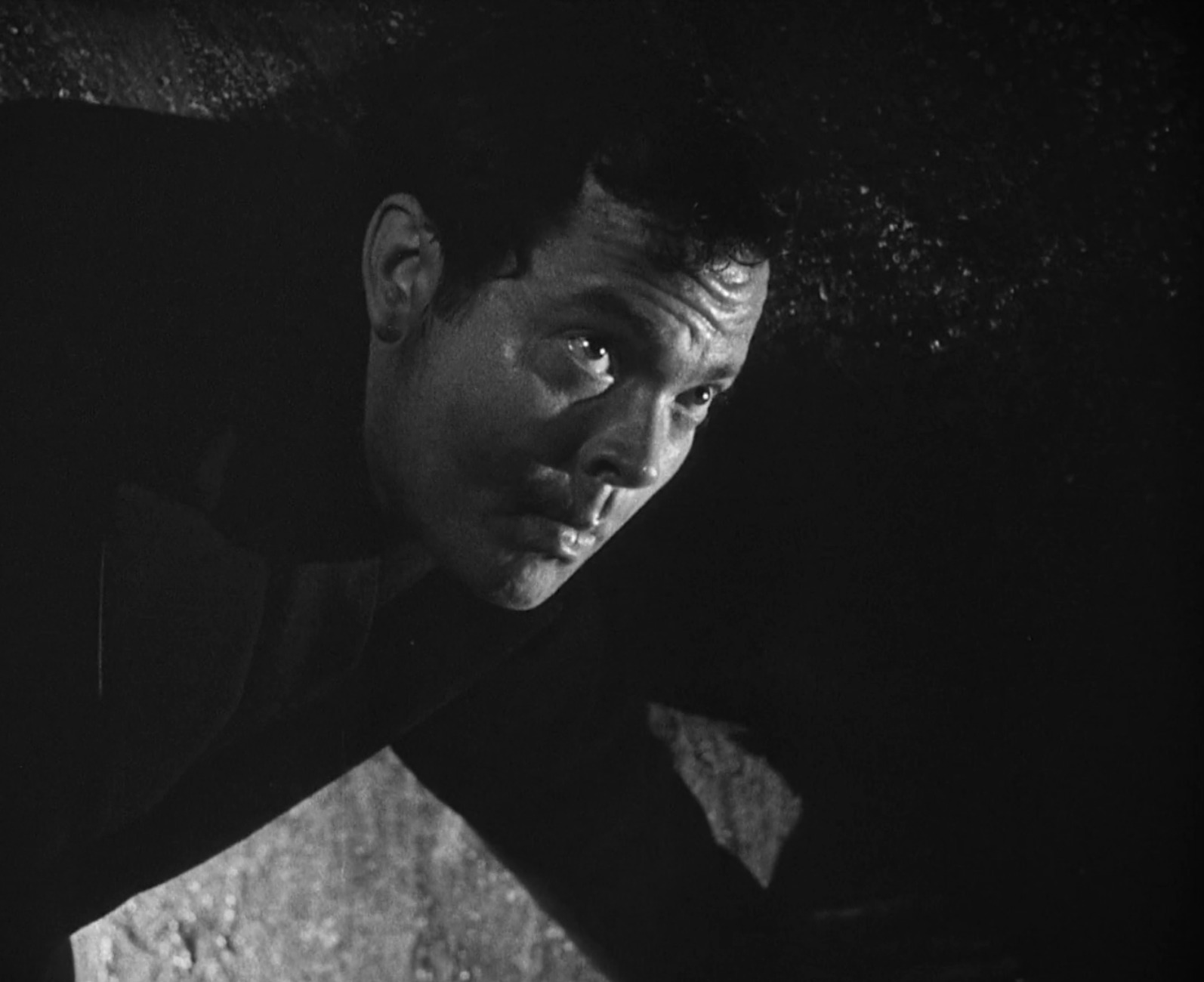
A primera vista, Reed era "un hombre sin atributos", desprovisto de pintoresquismo y de misterio, sin el colorido ni la aureola mítica que con facilidad han envuelto como un manto protector a sus más o menos contemporáneos americanos (Nicholas Ray, Sam Fuller, Joseph H. Lewis, Budd Boetticher), incluso a los de origen centroeuropeo (Edgar G. Ulmer, Robert Siodmak, Andre de Toth, Douglas Sirk), y también a algunos, por lo menos unos pocos, de sus compatriotas (Michael Powell, David Lean). Aunque, evidentemente, tuviera sus secretos, sus pasiones y sus obsesiones, Reed consiguió mantenerlos siempre al margen de sus películas y de su muy escasa imagen pública, y sólo muy recientes investigaciones los han ido sacado a la luz. De hecho, hay que rebuscar bastante (Jacques Tourneur, Gordon Douglas, Richard Quine) para encontrar cineastas de edad (siquiera cinematográfica, si no biológica) más o menos semejante a la suya que parezcan tan vulgares, de aire tan funcionarial - parece un oficinista, un empleado de banca - tan poco asociables visualmente con el mundo del cine o con las actividades artísticas en general. Cabe imaginar, por eso mismo, que hubiera sido un más que adecuado espía, pues nadie habría sospechado nunca de él como agente secreto; más bien parecía uno de esos distraídos y ni siquiera demasiado estrafalarios profesores de Historia, que viven perdidos entre libros, legajos y documentos, anclados en una remota centuria del Medievo, y que, por lo demás, con frecuencia eran reclutados por el espionaje británico o solicitados por sus equivalentes soviéticos, convirtiéndose bastante a menudo en agentes dobles. No es por eso sorprendente su afinidad y duradera complicidad con Graham Greene, ni que se le dieran particularmente bien las películas que abordan, más o menos oblicuamente, las actividades secretas, encubiertas o subterráneas, ni las escenas situadas en los márgenes o las modernas catacumbas de la sociedad, que ilustra muy gráficamente el laberinto subterráneo al que da acceso el alcantarillado vienés en su película más famosa.

Reed mantuvo siempre - incluso en la cumbre de su efímera y relativa popularidad - lo que se llama "un perfil bajo" de cara a los medios de comunicación, y fue obstinadamente avaro en declaraciones y entrevistas. Para colmo, cuando hablaba, además de revelarse poco comunicativo y bastante lacónico, por no decir propenso - a partes iguales - al monosílabo y a la obviedad, no solía decir nada particularmente original, interesante o llamativo; su pretensión era escasa, su modestia casi excesiva, y tan explícita que parecía falsa, hasta el punto que muchos tal vez pensaran que se trataba de una estudiada "pose", y que su inclinación a dar la razón al entrevistador, sin discutir sus afirmaciones en forma de preguntas, encubría falta de ideas y opiniones definidas o cierta indiferencia al juicio o la interpretación de los demás.

Y aunque no siempre escapase de los proyectos derivativos - es evidente que The Man Between, por ejemplo, trata de repetir con Berlín la jugada maestra de The Third Man en Viena, y que él no fue el único en tratar de rentabilizar su buen entendimiento con el quisquilloso y habitualmente quejumbroso Graham Greene, incluso tan tarde como en 1959 y Our Man in Havana -, todo hace pensar que no quiso dejarse encasillar en un género, y que no le gustaba repetirse, ni le divertía la idea de verse confinado en un nicho determinado, por mucho que pudiera ser fácilmente identificable como propio y exclusivo; de ahí cierto grado saludable de variedad genérica en su filmografía, aunque a ese eclecticismo y a esa diversidad se superpusiese siempre cierta monotonía, propia de un lenguaje casi académico, que se quería funcional y flexible, y quizá lo fuese, pero que, por su propia naturaleza, no trasmite una sensación de amplitud, de horizontes ilimitados, de dinamismo o de afán de experimentar con las formas, como en Howard Hawks, William A. Wellman, Michael Powell e incluso Michael Curtiz.
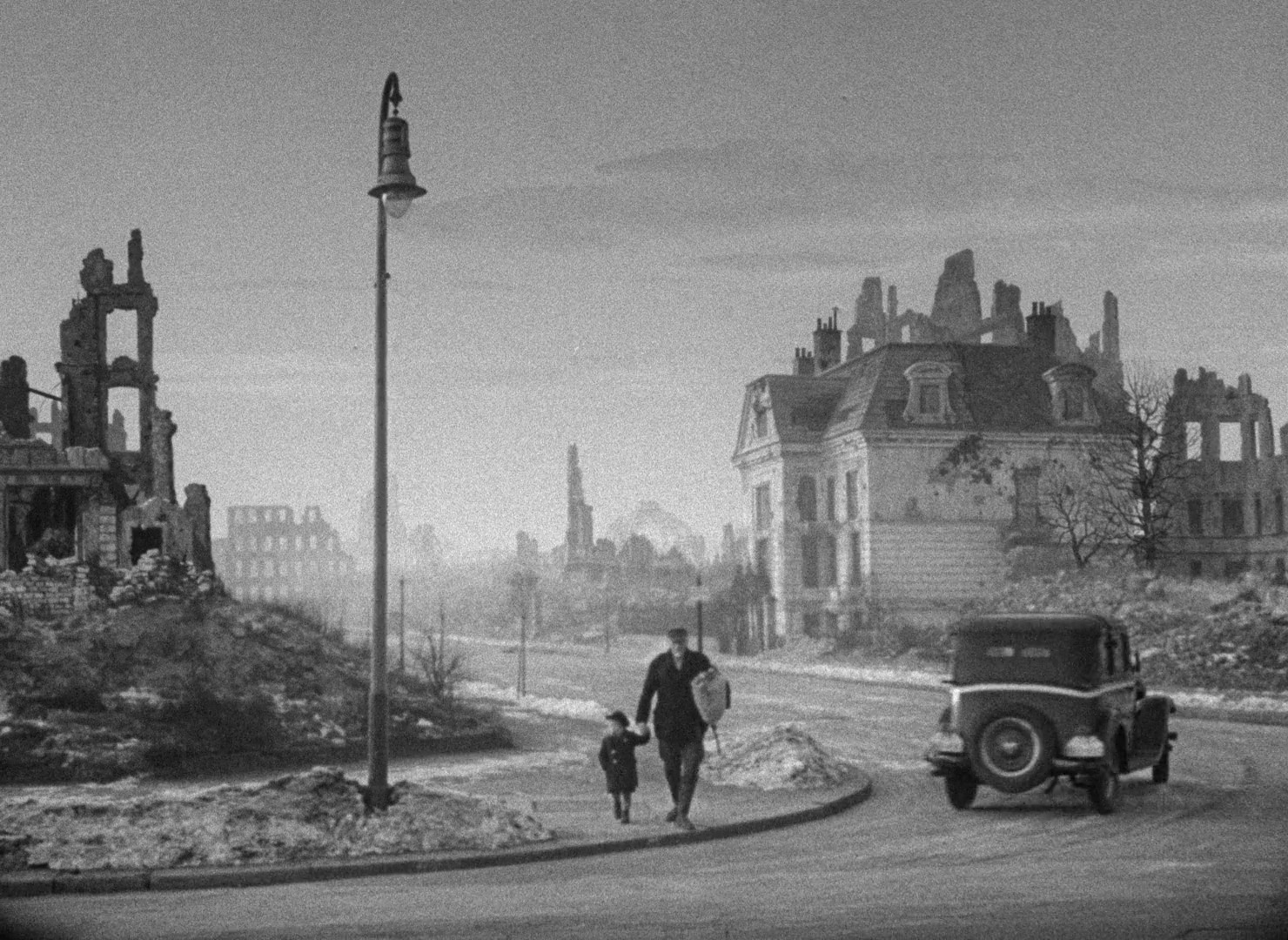
Con contadas excepciones, casi siempre parciales, todo en el cine de Reed es excesivamente gris y apagado, casi monocorde, con muy raras y fugaces estridencias. Tal vez por eso, sus películas - incluso las mejores o más conseguidas - tienden a borrarse o desdibujarse en la memoria, más que a incrustarse en ella permanentemente, y sólo muy de tarde en tarde algún plano suelto echa raíces en el recuerdo, sobre todo algunos de los insistente e infundadamente atribuidos a la inspiración wellesiana de El tercer hombre, aunque hasta de esa película - polarizadora de casi toda la atención prestada a Reed durante muchos años, sobre todo "a posteriori", retrospectivamente - lo que más gente no olvidará nunca es... la música de cítara de Anton Karas, y no los planos en sí mismos, por cargados de densidad y pintoresquismo que nos parezcan, ni siquiera los personajes turbios, insatisfechos y errantes - propiamente fantasmales - que los atraviesan esquinadamente y sin un rumbo muy preciso.

Siendo - como sin duda fue - lo que se suele considerar "un gran director de actores", casi nunca se citan entre las mejores actuaciones de los que con más asiduidad trabajaron a sus órdenes las que lograron intérpretes tan distintos entre sí y tan distinguidos como James Mason, Margaret Lockwood, Joseph Cotten, Alida Valli, Orson Welles, Ralph Richardson, Trevor Howard, William Holden, Wendy Hiller, Sophia Loren, Alec Guiness, James Donald, Robert Newton, y tantos otros, quizá porque el realizador, que había sido actor en la escena al inicio de su actividad profesional, les imponía un control férreo y no les toleraba excesos - por eso desentonan tanto y tan desagradablemente el histérico y permanentemente malhumorado Laurence Harvey de The Running Man, el desbordado y convencional Anthony Quinn de Flap, el previsible y laborioso Topol de Follow Me, en la última etapa - o los eliminaba cuidadosa e implacablemente durante los ensayos, las tomas sucesivas o el montaje, con el fin de preservar la homogeneidad de tono y la sobriedad a la que, por regla general, aspiraba.

Aunque casi todas sus películas son sumamente tensas, a veces casi angustiosas, y están llenas de tremendos conflictos morales, tal vez sus planteamientos fuesen excesivamente complejos, sutiles y ambiguos para que pudieran extraerse de ellas conclusiones suficientemente claras y definidas. Era enemigo de la simplificación y de la moraleja, poco tajante en sus afirmaciones, más tolerante de lo que solía ser comúnmente aceptado en cada momento histórico - incluso, en plena guerra, se muestra sorprendentemente respetuoso con el enemigo, sin subvalorar su inteligencia ni caer en la tentación de ponerlo en ridículo o convertirlo en una caricatura -, y casi nunca se prestaba a ejercer de juez omnisciente y todopoderoso, lo que contribuye a mantener al espectador en vilo, indeciso, inseguro de sí mismo, en una situación a mi entender estimulante y de vigilia productiva, pero incómoda y generadora de cierto malestar para los espectadores más perezosos, pues provocan disyuntivas de las que no se agradecen y dudas morales que prefieren olvidarse.

Como sugieren algunos de los testimonios personales recopilados en este volumen, Reed era un hombre más bien pudoroso y muy remiso a la autoafirmación, sin conciencia ni voluntad "autoral", pero con ideas propias bastante definidas y nada dispuesto, por tanto, a dar su brazo a torcer, mucho menos a acatar obediente y sumiso órdenes que le parecieran absurdas, desprovistas de fuerza de convicción, incoherentes, contradictorias, prematuramente impacientes e insuficientemente justificadas.

Pero todo hace pensar que tampoco gastaba su voz y sus energías en luchar contra esas interferencias de los productores o de algunos de sus colaboradores, ni se "quemaba" en enfrentamientos abiertos, en choques frontales con el poder en los que, muy probablemente, tenía todas las de perder. Veremos que hacía caso omiso, o meramente nominal o muy superficial, casi cosmético, a las minuciosas observaciones y exigencias contenidas en los sobreabundantes "memoranda" que, según su inveterada costumbre, obsequiaba a todo el mundo el coproductor americano David O. Selznick durante la preparación y el rodaje de The Third Man, sin molestarse siquiera, por lo general, en llevarle la contraria o discutir con él ni con sus representantes, ni - en otros casos -con sus menos insistentes equivalentes. "Lo estudiaremos", "Lo consideraremos", decían siempre, al alimón o por separado, Reed y Greene, escudándose en la distancia y la esperada mediación de Alexander Korda. Sin duda, comentarían brevemente entre ellos dos las observaciones y recomendaciones de Selznick, pero casi siempre para descartarlas y seguir adelante con sus planes originarios, aplicando la sagaz táctica de la resistencia pasiva, quizá contando con la fatiga del adversario y defendiéndose con el sencillo expediente de demorar los cambios hasta que no quedara tiempo ni presupuesto suficiente para llevarlos a efecto, y aprovechándose de que, por muy agobiante que fuese la atención de sus supervisores, no eran estos, a fin de cuentas, los que hacían la película, sino Greene y Reed, y sobre todo el director.

Le falta así a Reed, igualmente, el elemento heroico del artista que lucha con denuedo por defender el control, la integridad o la pureza de su obra, aunque sea para destruirse en el combate sin conseguir casi nunca, o sólo a medias, su objetivo, como les sucedió a Nicholas Ray, a Orson Welles y a tantos otros, antes -Erich von Stroheim - o después - Sam Peckinpah -; quizá la actitud de Reed era más diplomática y, en última instancia, de mayor eficacia, ya que, al fin y al cabo, parece que consiguió hacer su voluntad bastante a menudo, o a cambio de concesiones muy menores y casi siempre anecdóticas.

Es lógico, en todo caso, que Reed no corriese nunca el menor riesgo de convertirse en uno de los ídolos de la nueva crítica francesa de los años 50, ni de la inglesa surgida de la influencia de aquella en el decenio siguiente; es más, muchas de sus escasas manifestaciones públicas le hubieran situado, en todo caso, en el bando contrario, ya que siempre se pronunció como correspondería a un conservador representante de la concepción artesanal-industrial del cine, frente a la más personal, cuando no autobiográfica, que defendían los críticos entonces más renovadores y todavía hoy de escritos e influencia más perdurables.

Eso explica, sin duda, que su fama esté desde hace mucho tiempo un tanto apolillada, y que lo que de ella se conserva entre bolas de naftalina se apoye, casi exclusivamente, en la única de sus películas que adquirió de inmediato, y sin llegar nunca a perderlo por completo, gracias a periódicas reposiciones en sala y permanentes pases televisivos, el estatuto mítico que comparte El tercer hombre con Lo que el viento se llevó, Casablanca, Gilda y algunas más, en todo caso no demasiadas, y muy pocas de ellas europeas.

Pero ser "el realizador" de El tercer hombre, compartiendo el mérito (razonablemente) con Graham Greene y (sin motivo suficiente, según el propio beneficiario de tal distribución de presuntas responsabilidades) con Orson Welles no es el fundamento más sólido de una fama duradera.
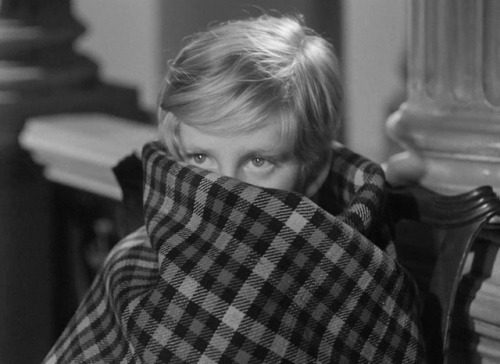
Por concentrarse sus películas más endebles, decepcionantes e impersonales en la última etapa de su carrera, y ser casi apátridas en su mayoría, semi-inglesas semi-americanas pero sin ser ya realmente británicas ni casi nunca del todo hollywoodenses, las que hoy y desde hace mucho tiempo circulan - precisamente por su ambigua nacionalidad, por su indefinición, por su distribución a través de canales multinacionales -, mientras que se ha hecho cada año más difícil volver a ver las mejores y más originales, las más controladas por Reed desde su concepción a montaje, las más genuinamente británicas, la mayoría de los espectadores jóvenes tienden actualmente a no pensar nunca en él, a lo sumo a considerarle como un artesano más, del montón, desprovisto en sí mismo de interés, y a creer que el acierto de El tercer hombre, de no deberse a Welles - como muchos se obstinan todavía en querer creer - es puramente casual, o por lo menos más el producto de una época - y del clima angustiado y existencialista de la postguerra - y de una afortunada confluencia de circunstancias - una buena historia, un reparto acertado, un equipo técnico competente, localizaciones poco usuales - que del talento cinematográfico, dramático o narrativo de Carol Reed.

Y no es que sus primeras películas, vistas ahora, resulten sistemáticamente apasionantes, ni que todo su periodo más puramente inglés sea uniformemente ilustre, del mismo modo que sería una simplificación desprovista de base sostener que el éxito mundial de El tercer hombre, su excesiva reputación subsiguiente y la lenta desaparición del cine inglés y su progresiva fagocitación por el cine americano después de la Segunda Guerra Mundial (y la de sus restos por la BBC-Television a partir de los años 60), acabaron bruscamente con su carrera o le secaron permanentemente la inspiración.

Para mí es evidente que la línea divisoria, de poder trazarse algo parecido, no es tan recta y nítida, ni tiene carácter definitivo y tajante, puesto que encuentro que sus mejores obras son algo posterior (Outcast of the Islands, 1951) o muy anterior (Bank Holiday, 1938), o quizá un poco solamente (The Way Ahead, 1944; Odd Man Out, 1946) a su obra más célebre y recordada; también creo que, incluso en los últimos años, aunque sea solamente una vez, logró estar en tan buena forma como en sus mejores tiempos (Oliver!, 1968), y para colmo en el menos verosímil y más inesperado de los terrenos, así como que a finales de los años 50 hay varias películas seguidas muy respetables y estimulantes o por lo menos reveladoras, a veces basadas en argumentos de Graham Greene, como Our Man in Havana (Nuestro hombre en La Habana, 1959), pero otras no, como The Key (La llave, 1958), adaptada de una novela de Jan de Hartog, que en modo alguno son inferiores a otras películas de mayor prestigio, tanto de finales de los 40 (The Fallen Idol, 1948) como de los 30 (The Stars Look Down, 1939).

Lo que sugiere, a mi entender, que no es un problema cronológico, ni subjetivo (la edad) ni objetivo (la época). Debiera estar claro que Reed, en sus obras más logradas, menos interferidas o rectificadas, fue siempre un excelente y atento narrador, capaz de trasmitir - desde fuera y desde dentro - angustia, inseguridad y hasta miedo: Larga es la noche, El tercer hombre o El vagabundo de las islas son buena prueba, pero también Se interpone un hombre, Trapecio o La llave. Ya he mencionado - y las excepciones son raras, y todas tardías - su extraordinaria habilidad y pericia como director de actores, incluso cuando corría el riesgo - como hacía a menudo - de elegirlos a contrapelo de su experiencia o de la imagen previa que proyectaban (reto y astucia a los que son particularmente proclives los británicos, en medida muy superior a los americanos).

Pero, como más de uno de los que han escrito sobre este cineasta ha señalado, a veces con insistencia, quizá el rasgo más definitorio y distintivo de Carol Reed, el que desde la perspectiva del cine que hoy se cultiva debiera echarse más en falta, y por tanto tenerse en mayor aprecio, es su efectivamente extraordinaria capacidad para crear o plasmar atmósferas, en todas las posibles acepciones del término, desde las más puramente físicas y accidentales o naturales hasta las menos tangibles, tanto las artificialmente creadas como las interiores o incluso ilusorias: temperatura ambiente (calor, humedad, frío), clima moral (de una época y un país), lo que los franceses llaman "el espíritu del lugar" (sea una ciudad, un barrio, un edificio concreto), así como el zeigeist o sentido de la época, que permite datar con precisión hasta sus películas de apariencia - pero sólo apariencia - menos realista, más abstracta y estilizada, más emparentable con el expresionismo del que, sin duda, procede buena parte de su plástica, combinada, como es tan frecuente en el cine británico, con la tradición documentalista; de esa síntesis de las dos tendencias básicas que han vertebrado desde sus orígenes hasta hoy toda la historia del cine procede buena parte del valor perdurable de las películas de Reed y también del olvido en que hoy se las tiene y de los malentendidos que, en determinados momentos, han suscitado, cuando, en el fondo, se trata de aplicar dos métodos distintos - y no tan inconciliables como algunos pretenden - para alcanzar un mismo objetivo: representar e interpretar la realidad a escala reducida, en perspectiva, en forma sintetizada y concentrada pero con inclusión de los rasgos definitorios del entorno.

En el fondo, el antecedente básico, más directo y cronológicamente más cercano, del cine de Carol Reed no es el casi simultáneo "film noir" americano, con el que a menudo se han emparentado o comparado varias de sus obras más famosas, sino más bien el ambigua o confusamente denominado "realismo poético" francés de los años 30, y tanto en sus vertiente más realista o prosaica - a menudo sórdida -, representada muy dignamente por Julien Duvivier, como en la más poética o romántica y estilizada, que ilustra, sobre todo, el a menudo excelente Marcel Carné de películas tan próximas a las de Reed como Le Quai des brumes y otras de la anteguerra e incluso varias de la inmediata postguerra, con las que comparte no sólo rasgos estilísticos sino también una visión del mundo más bien pesimista, desencantada y escéptica en el mejor de los casos, que bordea la misantropía en los momentos de mayor desesperación.

Con todo, hoy la figura de Carol Reed parece reclamar una mayor dosis de memoria y de interés que las que desde hace tiempo se le conceden. Por un lado, porque buena parte de su obra lleva años fuera de nuestro alcance, y es posible redescubrirla, si se mira con suficiente curiosidad y con una mirada desprovista de prejuicios, que permita encontrar lo que hay en esas películas, sin necesidad de atribuirle méritos que no le corresponden ni intenciones ocultas que probablemente no tuvo; por otro, porque, hasta en su fase más estimulante, su carrera resulta significativa, al menos como representación de los riesgos que trae consigo una cierta "internacionalización" del cine que supone, en la práctica, privar a las historias y los personajes de sus raíces, proceso de desarraigo que termina por afectar también, sobre todo en un cineasta tan atento a los ambientes y las atmósferas, a las formas de narrarlas y de interpretarlos y retratarlos. Que Carol Reed fue víctima, en dirección opuesta, del mismo proceso que llevó a algunos grandes cineastas americanos a errar por Europa, sin rumbo ni objetivos, a expensas de las variables y mudables fortunas de sus financiadores, puede demostrarlo la primera y más enraizada parte de su carrera, cuando sólo desde su plataforma británica y ocasionalmente se embarcaba, siguiendo los pasos de sus personajes, en la exploración de territorios ajenos, y no a remolque de empresas cosmopolitas o simplemente deslocalizadas en pos de condiciones fiscales atractivas y mano de obra barata; por último, en esa porción más auténtica de su obra, pueden encontrarse hoy suficientes muestras de talento cinematográfico y de habilidad narrativa, de sentido del drama, como para convencerse de que no fue, ciertamente, el hombre de una película, y de que The Third Man fue cualquier cosa menos un producto del azar, sino más bien un caso de afortunada adecuación entre una historia y su director idóneo, tal vez en aquel momento el único capaz de hacer de ella una de las pocas películas europeas capaces de hacerle la competencia, en su terreno, al cine americano, sin necesidad de imitarlo ni de perder su condición europea.

En “Carol Reed”, edición a cargo de Valeria Ciompi y Miguel Marías. San Sebastián-Madrid : Festival Internacional de Cine-Filmoteca Española, septiembre del 2000.

Carol Reed through the fog

Why is Carol Reed such a misty and blurred figure even for most film enthusiasts --not to mention the general public? The reasons are worth exploring in some depth, since not all of them are merely circumstantial, but have to do with his own personality and even with the nature of his own filmmaking.

Reed is not --like so many others-- merely a once celebrated director whose popularity eventually declined, or who lost touch with the changing tastes of his audience, or with the interests of the film industry, to become a has-been, a director no longer called upon to direct major films or films appropriate to his faculties and inclinations, until, in retirement and ultimately dead, he was nearly forgotten by fans, critics, and --more surprisingly-- even by film historians, whose attention would focus on later, more artistically prominent, or more commercially successful filmmakers.

While all this was true to some extent of Sir Carol Reed, additional factors came into play long before his career slowed to a halting pace, and he found himself unable to make the films he wanted to, and even abandoned a number of projects to which he had dedicated much time, interest and effort, such as the next-to-last remake of Mutiny on the Bounty, whose very problematical direction fell ultimately to Lewis Milestone.

It is as if there were something in his career, or his personality, which facilitated or hastened his oblivion, something that we might detect even in the period of his greatest celebrity. It is true that his style was never particularly pronounced, nor even especially noteworthy --including his perennial and somewhat exaggerated taste for tilted camera shots, which fatigues even those (few, I would imagine) who defended the practice or found it original or meaningful, or at the very least an effective means of conveying disquiet or imbalance. Nor was Reed alone in this, so it doesn't even amount to a trademark or an individual signature, but appears rather to have been some sort of fetish, a superstitious rite that he indulged in following the success of The Third Man. The fact is that he used the device continually from about 1944 to 1963.

At first glance, Reed was "the man without qualities", without a hint of mystery or the picturesque, without the colour or the mystical aura that enveloped his more or less contemporary U.S. directors (Nicholas Ray, Sam Fuller, Joseph H. Lewis, Budd Boetticher), and even European-born (Edgar G. Ulmer, Robert Siodmak, Andre de Toth, Douglas Sirk), and his fellow Briton (Michael Powell, David Lean). And while he must have had his own secrets, passions, and obsessions, Reed managed to keep them out of his pictures and his low-keyed public image, so only quite recent research has brought them to light. Indeed, it takes the closest scrutiny to find directors of his period (Jacques Tourneur, Gordon Douglas, Richard Quine) that appear quite so commonplace, so merely like office clerks or bank employees, and by no means resembling what one has come to expect from film people or artists in general. Reed might have made a good spy, since nobody would have suspected him of such an activity. He might have been taken for a rather dull, slightly absent-minded history professor, permanently lost in his books, papers and documents, anchored in a remote backwater of the Middle Ages --indeed, such men were often recruited by the British, or the Soviet, secret service, and at times by both. Thus perhaps we should not be surprised by his affinity and enduring complicity with Graham Greene, or his skill at making films that dealt, sometimes only obliquely, with secret, undercover, or underground activities, or scenes taking place at the margins or in the catacombs of modern society, which illustrated very graphically the subterranean labyrinth that can be reached through the Viennese sewers of his most celebrated picture.

Even during his fleeting period of relative celebrity Reed maintained what is called a "low profile" with regard to the news media, and was loath to make public statements or grant interviews. And when he did speak it was usually in monosyllables and he confined himself to stating the obvious, eschewing anything that might have been original, interesting, or revealing. He had few pretensions, and his modesty was so explicit and excessive that it seemed false --many people thought it a studied pose. He tended to agree with whatever the interviewer said, which could be interpreted as due to a lack of ideas and opinions, or to simple indifference to what others thought of him.

And although he did sometimes repeat himself --it is obvious that in The Man Between, for instance, he used in Berlin the master stroke already seen in Vienna in The Third Man, and that Reed was not alone in trying to cash in on his good understanding with the touchy and constantly complaining Graham Greene, even as late as 1959 with Our Man in Havana --it is plain that he didn't like to repeat himself, and tried to avoid being pigeonholed in a single genre, or identified with a certain type of film. Notwithstanding this healthy search for variety and even eclecticism, however, there was a certain monotony to all his films, which were expressed in a relatively academic idiom. He doubtless believed it to be functional and flexible. And so it may have been, but --perhaps because of Reed's own nature-- the films failed to convey a sense of amplitude, of unlimited horizons, of energy, of the impulse to experiment, as did those of Howard Hawks, William A. Wellman, Michael Powell, say, or even those of Michael Curtiz.

With a handful of partial exceptions, Reed's films are rather grey, muted, and almost uniform, their "high" moments few and far between. This may explain why even his best work tends to slip from the memory rather than embed itself there permanently. The exceptions would include some shots from The Third Man, insistently though mistakenly attributed to inspiration in the work of Orson Welles, but even this film, which was Reed's only claim to real fame for many years, and especially in retrospect, is remembered more for Anton Karas' zither that for Reed's shots --dense and painterly though they were-- or even for the ghostly, errant, dissatisfied characters that wander erratically through the story.

Though Reed was no doubt a fine "director of actors", none of the stars who played in his films won fame for their performances, though the list includes such varied and distinguished personalities as James Mason, Margaret Lockwood, Joseph Cotten, Alida Valli, Orson Welles, Ralph Richardson, Trevor Howard, William Holden, Wendy Hiller, Sophia Loren, Alec Guiness, James Donald, and Robert Newton. This might be explained by the fact that Reed himself started out as an actor, and submitted his casts to the harshest discipline, brooking no excesses. During rehearsals, shooting, and editing, Reed sought a homogeneous and sober tone; this is why the hysterical and glum Laurence Harvey of The Running Man, the exasperated and conventional Anthony Quinn of Flap, or the predictable and laboured Topol of Follow Me, made in Reed's final period, appear so unpleasantly out of place.

Although tension runs high --even to the point of anguish-- in most Reed films, and they are full of tremendous moral conflicts, his ideas may have been too complex, subtle and ambiguous to allow plain and well-defined conclusions to be drawn. He detested simplification and moralistic messages, so he rarely made emphatic statements and was unusually tolerant --to the point, in films made during the war, of showing a surprising respect for the enemy, never underestimating their intelligence or stooping to caricature them. Neither did he set himself up as omniscient or almighty judge, which has the effect of keeping the spectator on edge, undecided, uncertain, which I find stimulating and productive, though discomfiting and even disagreeable for the lazier members of the audience, who are not happy to be placed in Reed's swamps of moral uncertainty.

As is suggested in some of the personal testimonies collected in this volume, Reed was genuinely modest and loath to blow his own horn. He did not regard himself as an auteur of his works. At the same time, however, he had quite definite ideas, and would not submit to instructions or indications that he considered absurd, lacking the force of conviction, incoherent, contradictory, prematurely impatient, or insufficiently justified.

But neither does he appear to have wasted much energy in struggling against these interferences from his producers or collaborators, and he certainly engaged in no open conflicts with power, which he most likely would have lost. We shall see how he ignored --or attended only very superficially to-- the detailed observations and demands made in co-producer David O. Selznick's legendarily voluminous memorandums during the preparation and shooting of The Third Man, without bothering to argue with Selznick or his people. "We'll think about this," or "We'll look into this" was the stock answer made by Reed or Greene, who relied on distance or the mediation of Alexander Korda to protect them. No doubt they did briefly consider Selznick's suggestions, but then almost always discarded them, and did things as they had originally planned. This technique of passive resistance usually succeeded in wearing down the adversary, as did that of delaying the changes until there was neither time nor money left to implement them. After all, they reasoned, it was Reed and Greene, but mostly Reed, who had to make the films, and not their supervisors.

However, Reed lacked that heroic impulse that leads some directors and other artists to boldly defend their control of the work and its integrity or purity, even to the point of destroying themselves in combat and failing --most of the time-- to prevail, as was sometimes the case of Nicholas Ray, Orson Welles and so many others, including Erich von Stroheim in an earlier day and Sam Peckinpah in a later one. Reed was more diplomatic, and this strategy was probably more effective, since he usually managed to do things his way, making only minor or token concessions.

At all events, it is easy enough to understand why Reed was mainly ignored by the new French film critics that emerged in the 1950s and by the British ones that succeeded them in the 1960s. Indeed, the conservatism he seemed to espouse in his few public statements would have pitted him directly against these critical movements. Reed defended the craft-industry concept of film, as opposed to the more personal --when not openly autobiographical-- films favoured by the new critics, whose views remain little challenged even today.

This certainly explained why Reed and his works have remained so long in mothballs, with the sole exception of The Third Man, his only film to enjoy instant --and, thanks to television, enduring-- success, and which rivals the mythic status of such classics as Gone with the Wind, Casablanca, Gilda and a very few others, including even fewer European films.

But to have made The Third Man, sharing (reasonably) the credit with Graham Greene, and (less reasonably) with Orson Welles, is not a sufficient achievement to ensure enduring fame for the director.

If Reed's work has largely escaped the attention of today's younger film enthusiasts, it is because of the weak, disappointing and rather impersonal films made in the last stage of his career, most of them neither genuinely American, nor typically Hollywood, nor plainly British, and which --probably for that very reason-- remain in circulation today. Meanwhile it is much harder to find the earlier, British films which better exemplify Reed's concepts of filmmaking. When they think of him at all, younger film buffs think of Reed as just another Hollywood hack, lacking the slightest interest, and attribute the quality of The Third Man to Welles, to simple luck, to history --it emerged during the anguished existential soul-searching of the post-war period, and reflected it well-- or to the combination of a good story by Greene, a good cast, a competent technical crew, and unusual locations. But this list of possible explanations of The Third Man's success rarely includes the dramatic or narrative talent of its director, Carol Reed.

This is not to say that all his early films are excellent, nor that his purely British period was especially dazzling, in the same sense that it would be a baseless simplification to say that Reed's career --or at least his creative inspiration-- was effectively ended with the inflation of his reputation after the world-wide success of The Third Man, and the slow disappearance of British cinema under the weight of American productions after World War II (and that of its remains on BBC-Television as of the 1960s).

In my view, the dividing line, if any exists, is neither straight nor sharply drawn, since some of Reed's best films were made long after The Third Man (e.g. Outcast of the Islands, 1951), or long before it (Bank Holiday, 1938), or nearly adjacent to it (The Way Ahead, 1944; Odd Man Out, 1946). I also believe that one of his last films (Oliver!, 1968) found him in the best of form, and --even more improbably-- the series of movies he made in the 1950s includes some quite respectable and stimulating or at least revealing ones, some of them based on Graham Greene's stories, like Our Man in Havana (1959), but others not, such as The Key (1958), adapted from a novel by Jan de Hartog, which were as good as the more successful ones he made at the end of the 1940s (The Fallen Idol, 1948) or the 1930s (The Stars Look Down, 1939).

To me, this suggests that Reed's work should not be considered chronologically, nor subjectively (his age), nor objectively (the period). It is or should be clear that in the films which he made with the least interference, Reed showed himself to be an excellent and attentive narrator, able to convey --from within and without-- anguish, uncertainty, and even fear: Odd Man Out, The Third Man and Outcast of the Islands are good examples, and also The Man Between, Trapeze and The Key. I have already mentioned his extraordinary ability and skill, until very late in his career, as a director of actors, even when --as was often his practice, and that of other British directors-- he cast them in roles that were very different from those they usually played, and which contrasted sharply with their public image.

However, as several writers and critics have noted, Carol Reed's most prominent trait was his extraordinary ability to create atmospheres --so sadly lacking from so many of today's productions. These atmospheres were physical and natural, but also more intangible, and sometimes deliberately misleading. They involved temperature (heat, damp, cold), the moral climate of a time or place --what the French call l’esprit du lieu (the spirit of a place --a city, a neighbourhood, a building), and what the Germans call zeitgeist, or a sense of the period. All this allows us to date with precision even his apparently less realistic films, those that were more abstract or stylised, closer to the expressionist spirit that certainly informed his art, in combination --as is often the case of British films-- with the documentary tradition. It is the synthesis of those two basic tendencies that have engendered good films throughout the history of the medium and that lend enduring value to many of Reed's films. But it also explains why they have been largely forgotten and often misunderstood, for the films apply two different (and not as irreconcilable as some critics maintain) approaches to achieve the same objective: to represent and interpret reality on a reduced scale, in a synthesised and concentrated form, but also including defining traits of the environment.

At bottom, the most direct and immediate antecedent of Carol Reed's work is not the almost synchronous American film noir, with which some of his most famous works have been compared, but rather the ambiguously or confusedly named French "poetic realism" of the 1930s, as best represented in its more realistic, prosaic and sometimes sordid dimensions by Julien Duvivier, and in its more poetic, romantic and stylised form by the works of the excellent Marcel Carné, such as Quai des Brumes and others made before the war and in the early post-war period, and which shared with Reed's work not only stylistic features but also a rather gloomy, disenchanted and sceptical view of the world, bordering on misanthropy at the moments of greatest despair.

Withal, Carol Reed and his works today surely deserve more critical attention that they have so far been accorded. The Reed films so long beyond our reach should be revisited and rediscovered by unprejudiced eyes that are able to see what is in them, without exaggerating their qualities or seeking hidden intentions that they probably lacked. Reed's work is also interesting insofar as it shows the risk involved in the "internationalisation" of films, which often means depriving the stories and characters of their roots, and which, in the hands of a director so sensitive to settings and atmospheres, affects the way these stories are told. In a way the second part of Reed's career stands comparison --though the direction was reversed-- to some of those major American filmmakers who were obliged by circumstance to wander aimlessly around Europe, their fates hanging on the changing fortunes of their financiers. From his solid British dock he occasionally set out --sometimes following his characters-- to explore new territories, and not towed by multinational or merely dislocated production companies seeking lower taxes and cheaper labour. In this, the most genuine part of his career, we find sufficient evidence of his talent as a filmmaker and storyteller to conclude that The Third Man was anything but a fluke; rather, it was a felicitous combination of a good story and the right director, making it one of the few European films that could compete successfully with American movies on their own turf, without imitating them or renouncing its European nature.

En “Carol Reed”, edición a cargo de Valeria Ciompi y Miguel Marías. San Sebastián-Madrid : Festival Internacional de Cine-Filmoteca Española, septiembre del 2000.